
The Ethics of AI in Music
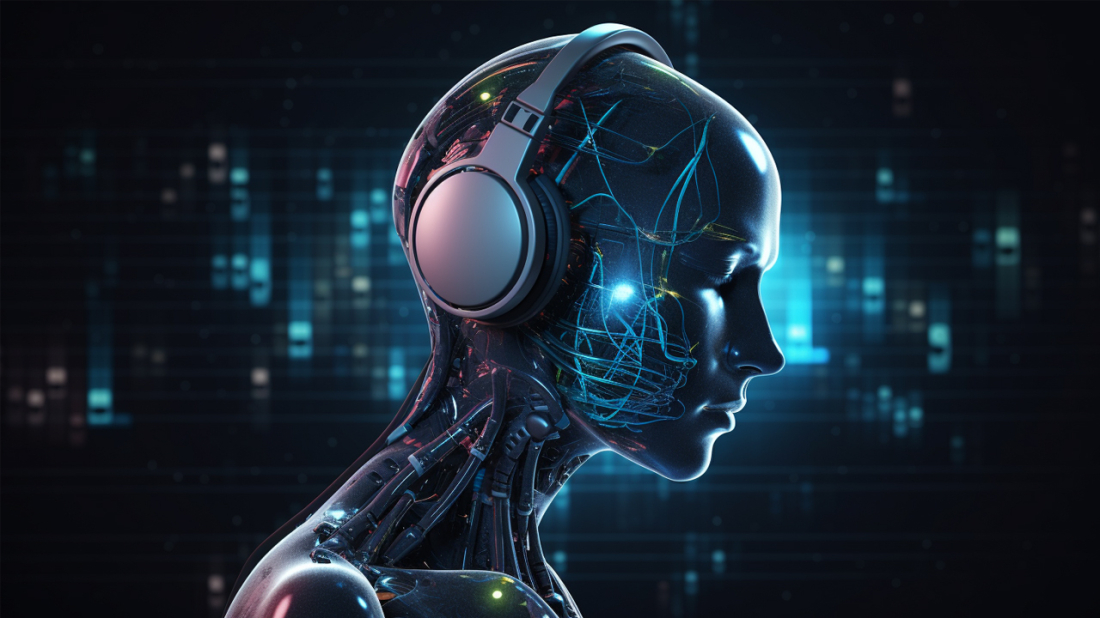
As artificial intelligence continues to transform the music industry, it’s not just technology that’s advancing—ethical questions are emerging, too. From copyright concerns to the impact on artists’ livelihoods, the integration of AI into music production raises fundamental questions about creativity, ownership, and the future of human artistry.
AI’s Expanding Role in Music
AI is already capable of generating music, composing songs, mastering tracks, and even mimicking human voices with incredible precision. Tools like voice modeling and AI-generated beats allow anyone to create professional-quality music from home, democratizing access to production tools. But with this convenience and innovation come significant ethical challenges that need to be addressed.
Copyright and Ownership
One of the most pressing concerns is copyright. If an AI generates a song in the style of a famous artist—or even uses a synthesized voice that sounds like them—who owns the rights? Should the original artist be compensated? These questions are particularly relevant in an industry where royalties and licensing are critical to sustaining careers.
The use of AI to create “deepfake” voices, where AI mimics the vocal style of real artists, further complicates matters. Without proper regulation, AI-generated tracks could exploit the reputations and vocal likenesses of artists without their consent.
Impact on Human Artists
Another ethical consideration is the potential displacement of human artists. While AI can enhance creativity and lower barriers for new musicians, there’s a risk that labels and producers may prioritize AI-generated content over human talent to save time and costs. This could affect employment opportunities, artistic diversity, and the cultural fabric of the music industry.
Authenticity and Emotional Connection
Music is more than just sound—it’s an expression of human emotion and experience. Some critics argue that AI-generated music lacks the authentic emotional depth that comes from real human creativity. If listeners can’t tell the difference, will AI compositions erode the human connection that makes music so powerful?
The Need for Transparency and Regulation
To address these challenges, transparency is key. Audiences should know when a song is generated by AI, and artists whose voices or styles are used should have a say—and a share—in how their likeness is employed. Industry guidelines and legal frameworks will be essential to balance innovation with respect for human creativity.
A Path Forward
The future of AI in music is undoubtedly exciting. AI has the potential to inspire new genres, empower more people to create, and push the boundaries of what’s possible. But to harness this potential responsibly, the industry must prioritize ethical considerations and ensure that AI complements, rather than competes with, human artistry.
By addressing these challenges head-on, we can embrace a future where technology enhances music while preserving the soul of the art form itself.